Battery Storage (BESS)
Battery Energy Storage Systems (BESS)
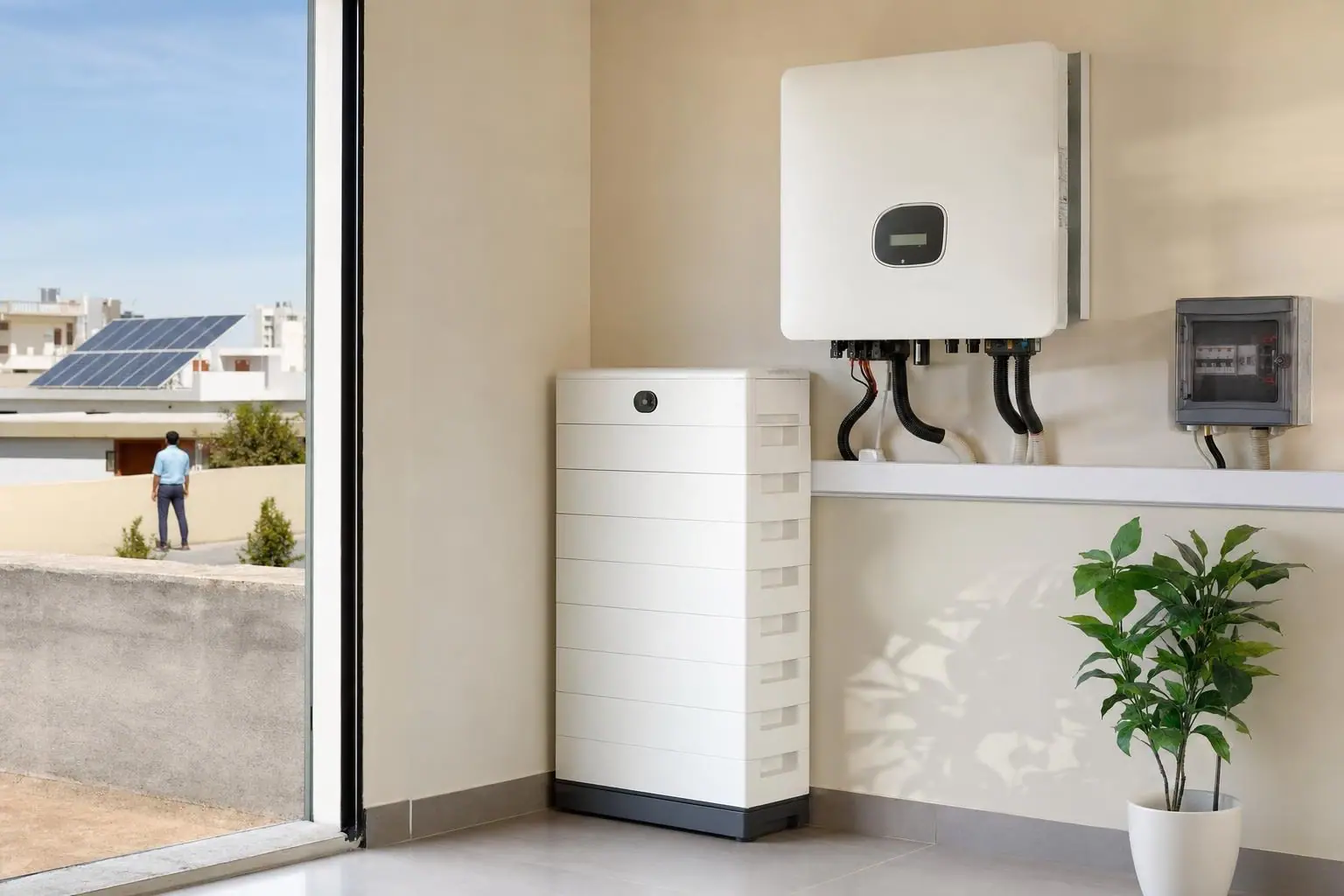
Lithium iron phosphate (LFP) storage from kWh scale for homes to MWh scale for industry. BESS shifts solar energy into evening peaks, trims demand charges, replaces diesel backup and stabilises micro-grids.
- Chemistry
- Lithium iron phosphate (LFP)
- Scale
- kWh for homes to MWh for industry
- Best for
- ToD tariffs, DG replacement
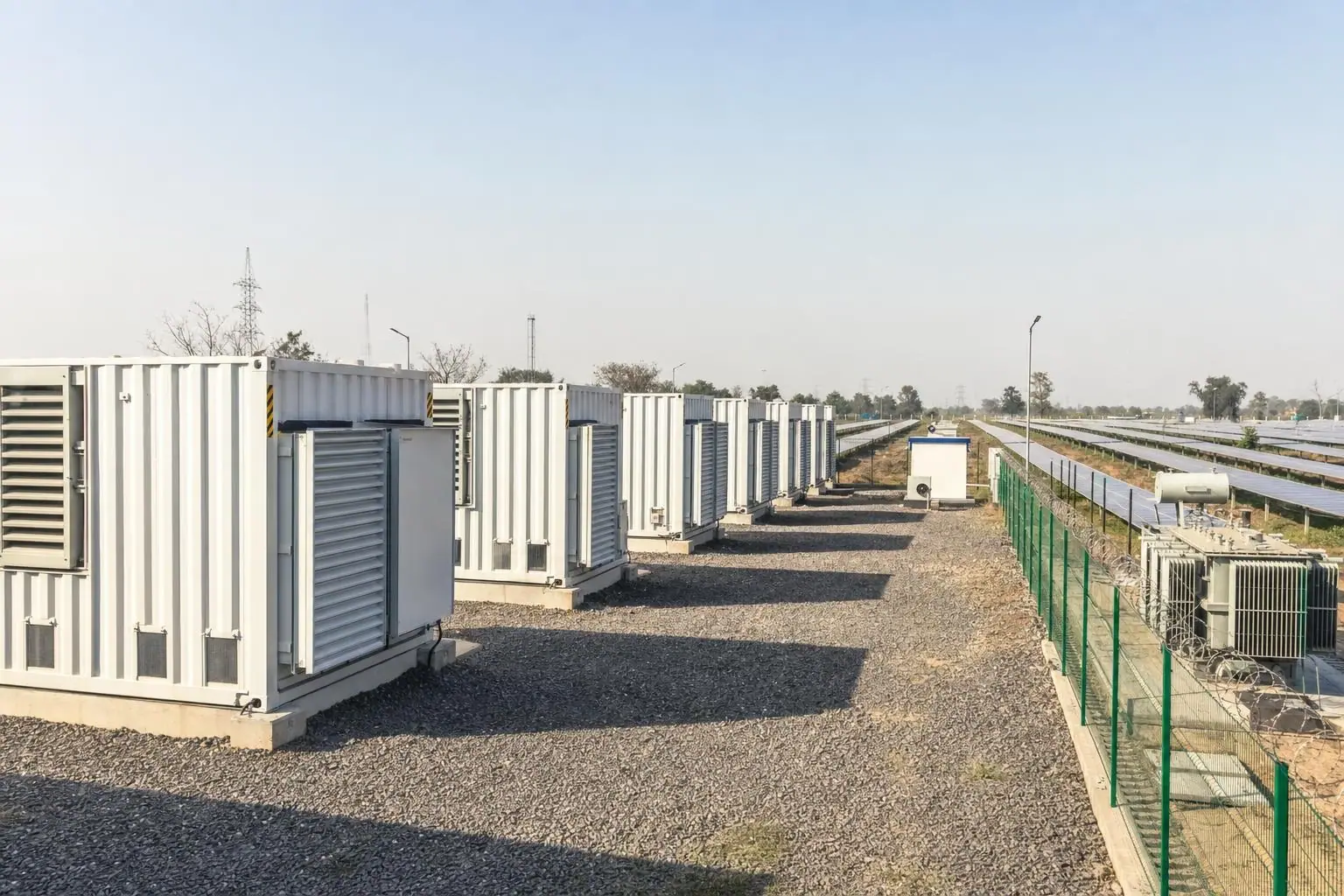
Store solar, shave peaks, stay powered.
How it works
How battery storage works
- 01
Charge
From your solar plant or from the grid during off-peak hours.
- 02
LFP battery + BMS
The battery management system guards every cell's temperature and state of charge.
- 03
PCS + EMS
Power conversion and energy management decide when to charge and discharge.
- 04
Peaks & outages
Stored energy supplies peak-hour loads and critical equipment during outages.
Why choose it
What you gain.
Peak shaving
Cut maximum-demand charges and costly peak time-of-day units.
Replace diesel
Instant, silent backup that reduces DG dependence.
More solar, used
Raise self-consumption by storing midday surplus for the evening.
Grid support
Stabilise voltage and power quality for sensitive processes.
Ideal for
- Industries on time-of-day tariffs
- Commercial buildings dependent on DG sets
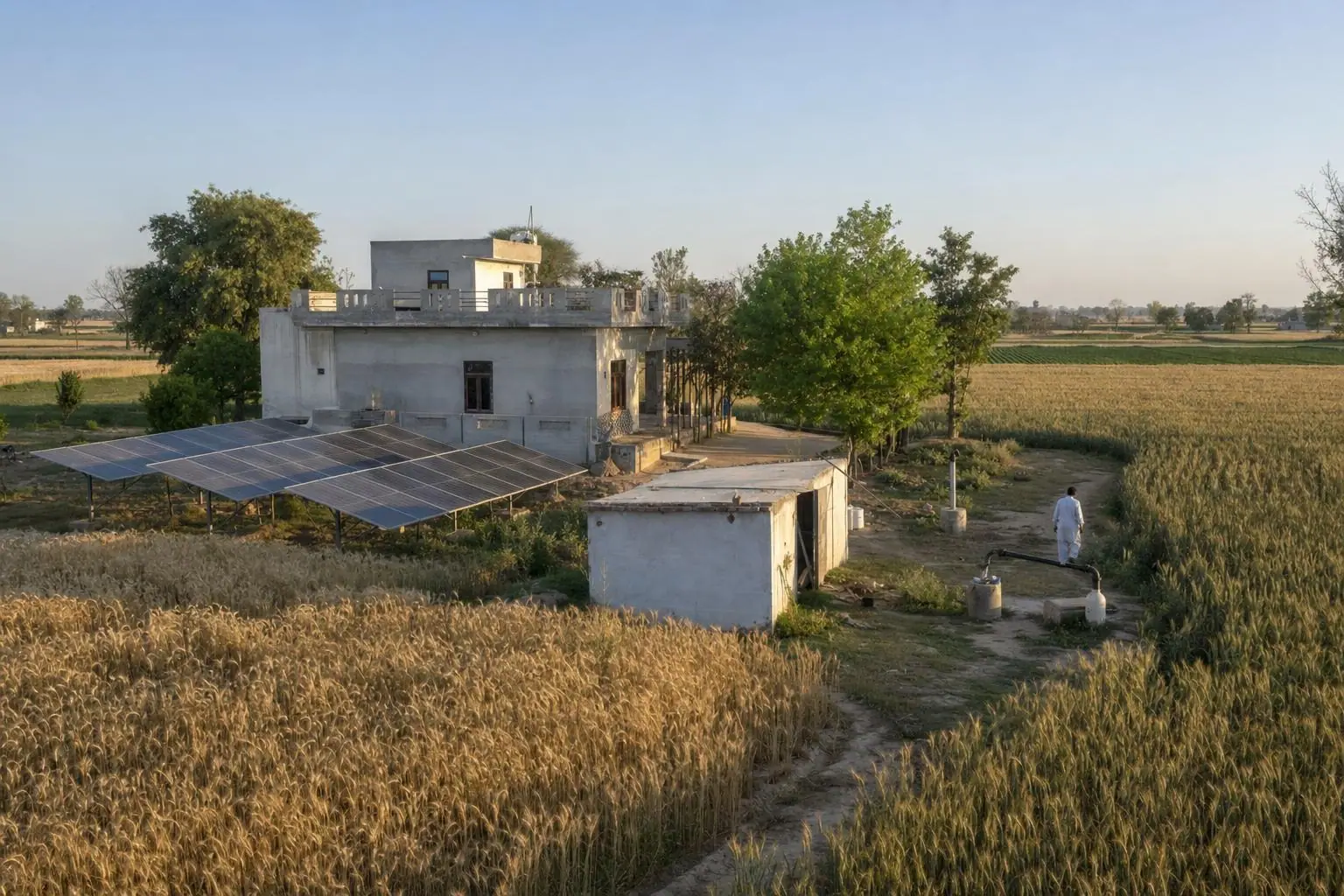
- Solar plants that need firm, dispatchable output
- Micro-grids and campus energy systems
Turnkey scope
Everything included — one accountable partner.
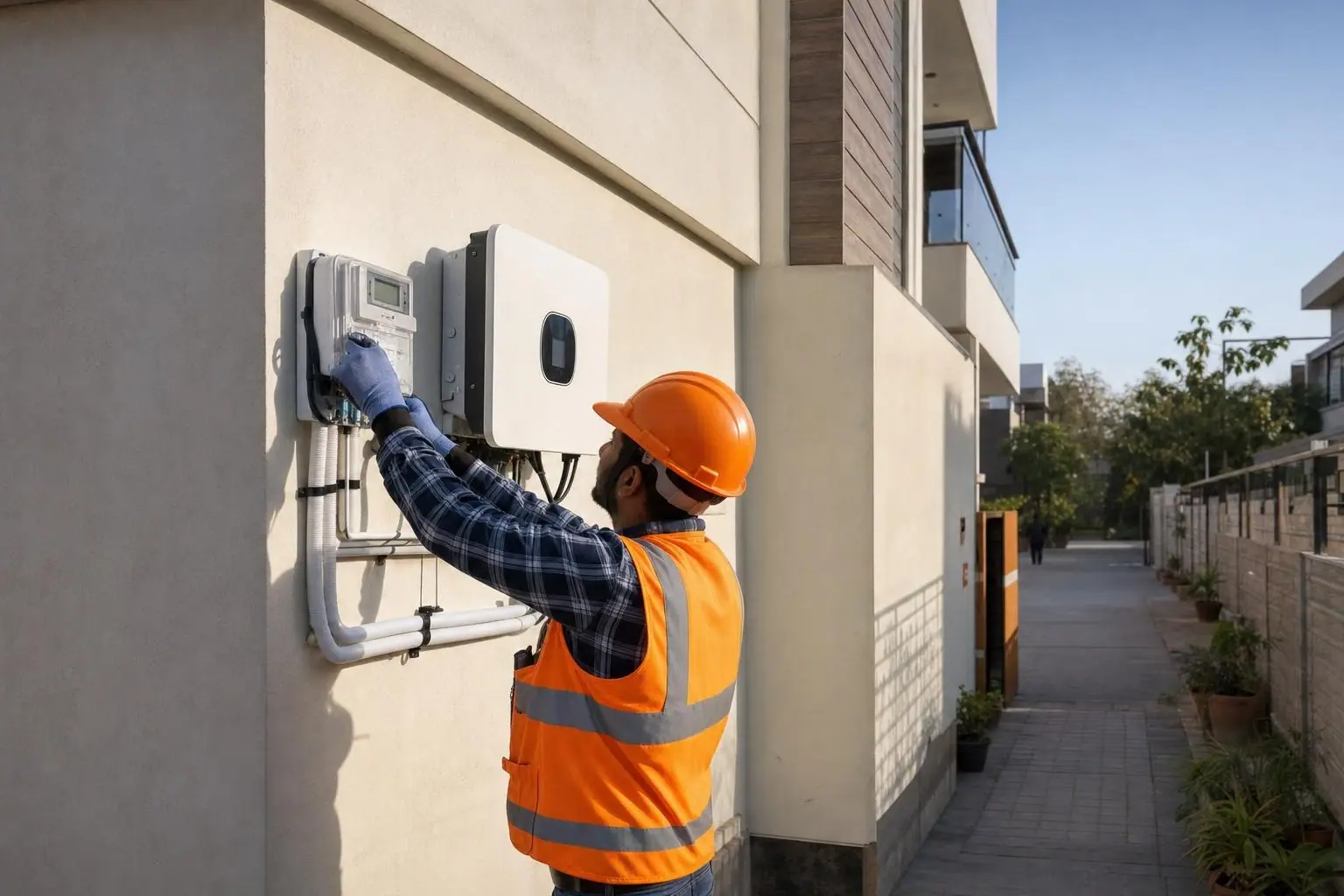
No handoffs and no gaps. Kesri Enterprises manages the whole job, from the first site visit to the final sign-off.
- Load profile analysis and ROI modelling
- Battery sizing, chemistry and configuration design
- LFP battery racks or containerised systems
- Power conversion (PCS) and energy management (EMS)
- Fire safety and thermal management
- Integration with existing solar, commissioning and remote monitoring
FAQ
Battery Storage (BESS), explained.
Why lithium iron phosphate (LFP)?
LFP chemistry offers long cycle life, excellent thermal stability and no cobalt — the preferred choice for stationary storage.
Can I add storage to my existing solar plant?
Yes. Storage can be AC-coupled to most existing plants without replacing your inverters.
Free site survey
Let's plan your battery storage (bess) project.
Book a free site survey and get a personalised solar ROI report within 24 hours. Haryana receives about 5.5 kWh/m²/day of solar irradiance — among the best in India.
Call us
Ambala City, Haryana · Serving Haryana & adjoining regions